
What Types of Meditation Are Best for Beginners?


If you have ever tried to meditate and walked away convinced you were bad at it, I want
to tell you something that took me years to understand: you were probably never the problem. The instruction or the type of meditation was.
Most beginners are told to sit still and empty the mind. Then they sit, the thoughts keep coming, and they decide meditation is not for them. I have heard this hundreds of times in the thirteen years I have been teaching. So let me start with the honest answer to the question in the title, and then give you the specific types that actually work when you are starting out.
First, the Myth That Stops Most Beginners
Many people feel they simply cannot meditate because they are unable to sit without a thought. And that is correct. None of us can sit for very long in thoughtlessness. That was never the goal. The goal is awareness.
Meditation is simply cleansing the mind. It is the art of breaking habits to purify the mind so you can take care of your daily life with more clarity. It is not about having no thoughts. It is about using proven tools, breath, mantra, and awareness to observe those thoughts and break a pattern. Through practice we develop what the yogis call the neutral mind: the part of you that can see a situation clearly without being pulled into reaction.
This is why meditation in Kundalini Yoga is very different from what most beginners expect, and why people leave our classes feeling successful rather than defeated. You are given something to do. The mind has a job. That single difference changes everything.
The 5 Types of Meditation Best for Beginners
These are the ones I recommend to people who are just starting, in the order that tends to work best.
1. Breath-Based Meditation (Pranayama)
If you only ever learn one thing, learn to breathe. Most of us are shallow breathers, taking around fifteen to twenty breaths per minute. Long, deep breathing slows the nervous system down within a few minutes, and unlike silent sitting, you can feel it working. Or an even easier practice is close your eyes and observe your breathing.
This is the most forgiving place to begin because there is no belief required and no experience needed. You are simply changing the rhythm of the breath and letting the body follow. Beginners often notice a shift in the very first session.
2. Mantra Meditation
Mantra gives the mind a sound to hold instead of an empty room to wander in. The vibration of the sound works on the 84 meridian points in the upper palate, which is why mantra meditation produces effects that silent sitting does not.
The one I most often start beginners with is Kirtan Kriya. The kundalini yogis say that if all the teachings were lost, this is the one meditation to know. It is currently being studied by UCLA and other universities, where subjects practice it for only twelve minutes a day and researchers are seeing significant results in brain function and memory. Twelve minutes is a realistic beginning. It fits into an actual life. Here is a link to practice and once you learn it there are many different recordings you can find online.
3. Movement Into Stillness (Kundalini Kriya)
This is the approach that makes meditation accessible to people who cannot sit still, and there are many of us. A kriya is a specific set of exercises, breath, and sound that works on a precise aspect of the body-mind-energy system. You move first. The body discharges its restlessness. Then you sit, and the sitting is completely different because the nervous system has already settled.
If you have tried meditation apps and could not make it past the fidgeting, this is the type for you. Believe it or not, the entire practice of yoga is simply to prepare one for meditation.
4. Sound-Based Meditation
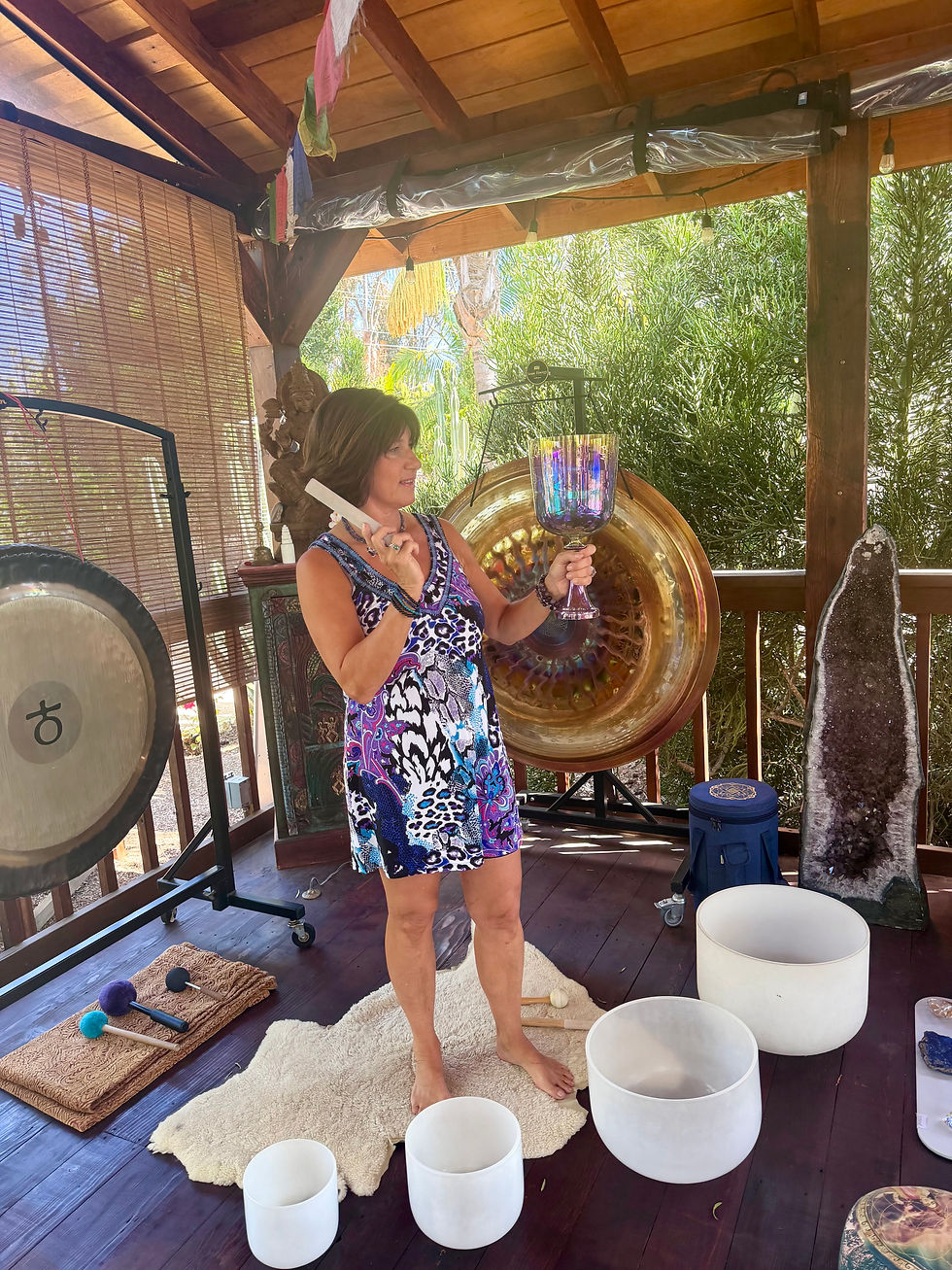
Sound meditation asks almost nothing of you, which is exactly why it is such a good doorway. You lie down and the sound does the work. Gongs, crystal singing bowls, Tibetan bowls, chimes, rattles and drums shift the frequency of the nervous system directly, without requiring you to concentrate on anything at all.
At CommuniTea we weave sound healing into most sessions, and we have a gong bowl that students can actually sit inside while it is played. Many people who thought they could not meditate discover here that they can.
5. Targeted Meditations for a Specific Need
Sometimes the best entry point is a meditation with a job to do. When there is a clear purpose, beginners stay consistent, and consistency is what produces the result.
● Meditation to alleviate stress — for the wired-and-tired nervous system.
● Stress and anxiety meditation — for a mind that will not slow down at night.
● Prosperity meditation — for shifting the patterns around scarcity and worth.
● Meditation for addictions, phobias and habituation — a thread close to my own story, and one I teach with real care.
So Which One Should You Actually Start With?
If you are truly new, start with breath. Add mantra once the breath feels natural. Bring in sound whenever you are too tired or too overwhelmed to do anything at all — and let a class carry you on those days.
What matters far more than the type is the frequency. Three minutes daily will change you more than an hour once a month. The yogis were very clear about this, and everything I have seen in twelve years of teaching confirms it.
And one honest note: meditating alongside other people is dramatically easier than doing it alone. The group carries you on the days your own discipline does not. This is the single biggest reason beginners stay with a practice.
Beginning a Meditation Practice at CommuniTea
We are in Vista, California, in North San Diego County, and every class is also streamed live online, so you can begin from anywhere. Classes are recorded for members who need to practice at another time.
Every class includes meditation, and our teaching assumes nothing. You do not need to be flexible, experienced, or spiritual to walk through the door. You need to be willing to show up.
Schedule and Pricing
Classes run every Wednesday and Sunday at 9:30am, in person on our private outdoor yoga deck in Vista and live online. A single in-person class is $33. A single online class is $15. Here is a link for the other option.
● Online Membership — $25/month: two classes per week, focused on breath, balance, and nervous system regulation. This is where most beginners start.
● Private Members — $111/month: four yoga, meditation and sound healing sessions per month, full access to the Pranic Power breathwork course, Tantric Numerology, community access, and discounts.
● Lightbody Membership — $150/month: eight Lightbody and Kundalini Yoga sessions per month, plus a six-month astrology outlook and full membership benefits.
"You were never asked to have no thoughts. You were asked to stop believing all of them."
Come Practice With Us Every Wednesday and Sunday at 9:30am. In person in Vista, CA ($33) and live online ($15). Membership plans from $25/month. Schedule: communiteayoga.com/live-yoga · Memberships: communiteayoga.com/memberships-1 |
With Love and Many Blessings,
Tina, Ardas Taran
CommuniTea Yoga & Meditation · Vista, CA · communiteayoga.com


Comments